MAKING SPACE FOR PEOPLE AND NATURE TO THRIVE
Southern Africa is home to some of the world’s great natural landscapes, but the window to protect them is narrowing. Peace Parks works with governments, communities and partners to protect and reconnect these landscapes, securing a future for people and wildlife for generations to come.
Why conservation at scale matters now
Africa is changing rapidly. Population growth, land degradation and climate change are increasing pressure on the land, water and natural resources on which people and economies depend.
Pressure is increasing:
- 1 in 4 people on Earth will live in Africa by 2050.
- 65% of Africa’s land is estimated to be degraded.
At the same time, conservation thinking around the world is shifting. Protecting individual areas is no longer enough. Wildlife moves across landscapes, rivers cross boundaries and pollinators depend on connected habitats. Under the global biodiversity framework, countries have agreed to conserve 30% of the world’s land and sea by 2030, with protected and conserved areas well connected and integrated into wider landscapes.

- Yet only 8.52% of the world’s terrestrial surface is both protected and connected.
- And in Africa, 75% of countries have less than 17% of their land both protected and connected.
Protected is not the same as connected
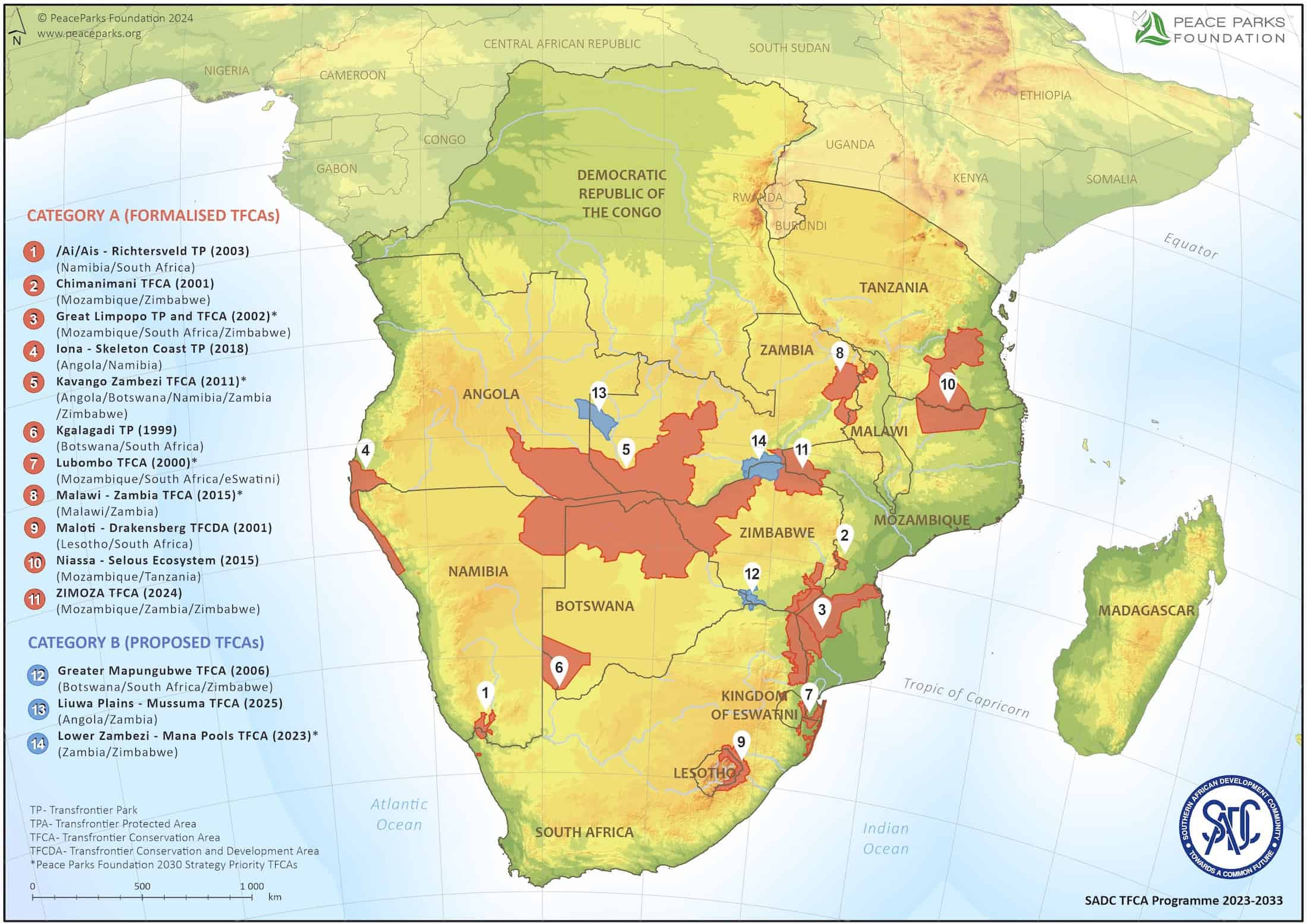
Southern Africa began building conservation across national boundaries decades ago and is a global leader in transboundary conservation with an expansive network of Transfrontier Conservation Areas (TFCAs).
- 14 transfrontier conservation areas
- 1 million+ km² of shared landscapes
- 16 SADC Member States
Peace Parks was founded around this vision almost 30 years ago. Today, our focus is on translating it into practical, long-term conservation action.
Where Peace Parks is focused
By 2030, our work will focus on three geographical priorities, connecting protected areas, wildlife habitats and the communities that live within and around these landscapes:
Priority Transboundary Landscapes
Key Protected Areas
Priority Ecological Linkages
At the heart of these landscapes are some of Africa’s most important protected areas
An Africa-wide analysis* identified a small group of protected areas that carry disproportionate importance for biodiversity and for the natural resources on which people and economies depend.
- ~2% of Africa’s protected areas
- ~33% of Africa’s formally protected land
- 71% of the continent’s threatened vertebrate species occur within them
- 6 of these are located within Peace Parks’ priority landscapes
Peace Parks has long-term management roles in five, with work also underway with the Government of Angola in Luengue-Luiana National Park under an MoU.
How we work
Protecting places of this importance takes more than declaring them protected. Effective conservation requires long-term management, community involvement and sustainable financing.
Conservation at Scale
Strengthening protected areas, rewilding ecosystems and restoring ecological connections across borders.
CommunitY Development
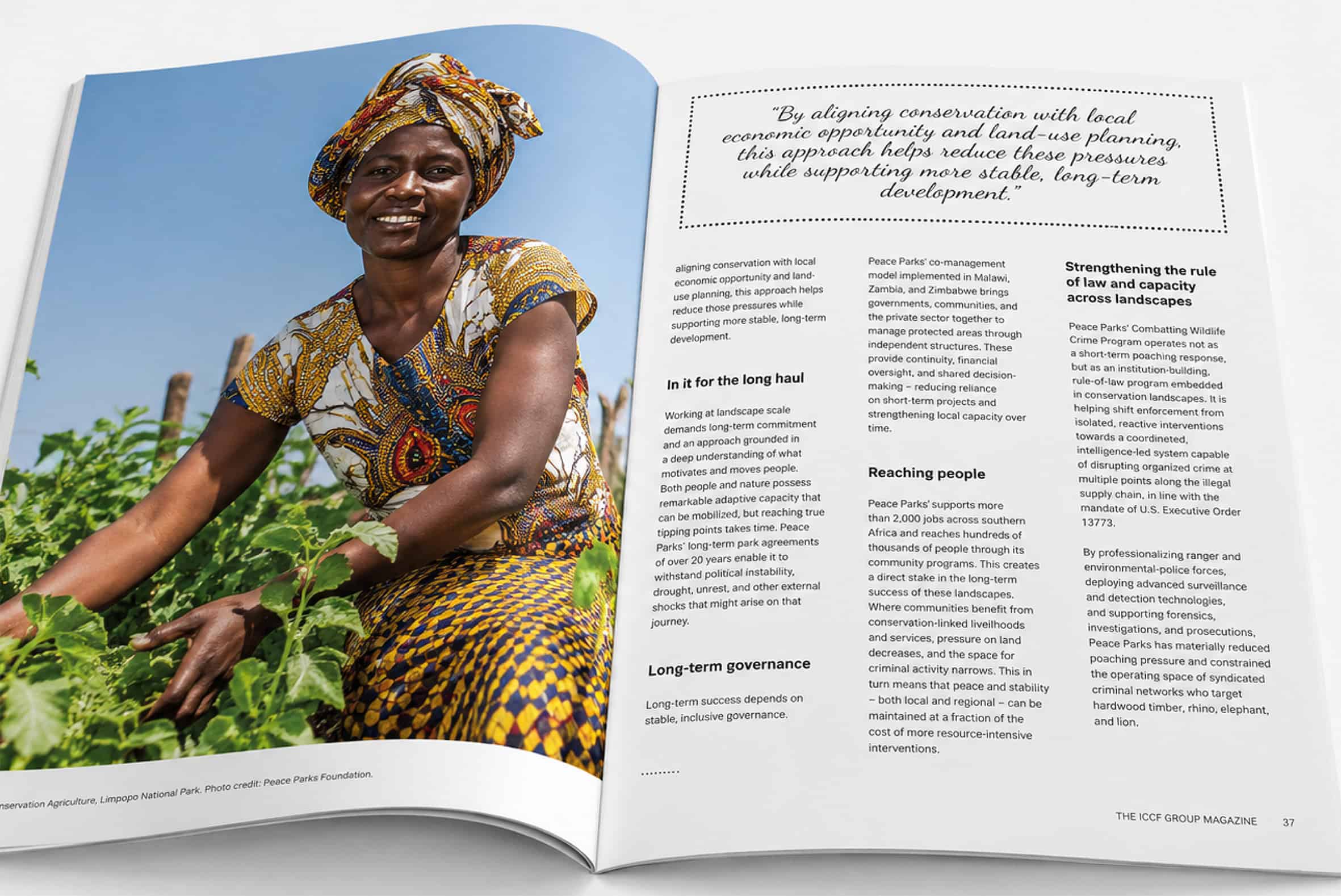
Supporting local governance, water access, land and livestock management, livelihoods and economic opportunity around protected areas.
Conservation Finance
Building and unlocking the finance needed to sustain protected areas and landscapes beyond individual projects and funding cycles.
What
long-term conservation can achieve
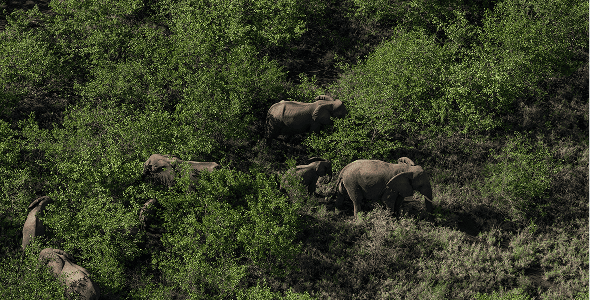
Limpopo National Park’s elephant population has increased fivefold over the past decade to more than 4 600.
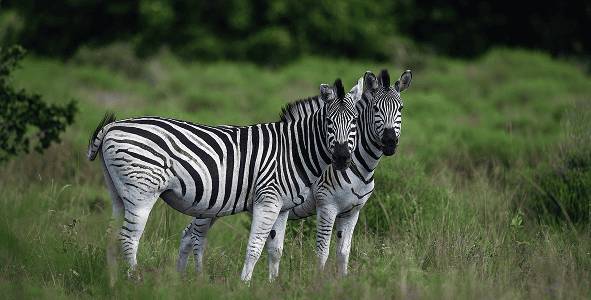
Maputo National Park has seen wildlife numbers recover from fewer than 1 000 animals to more than 32 820.
Latest stories
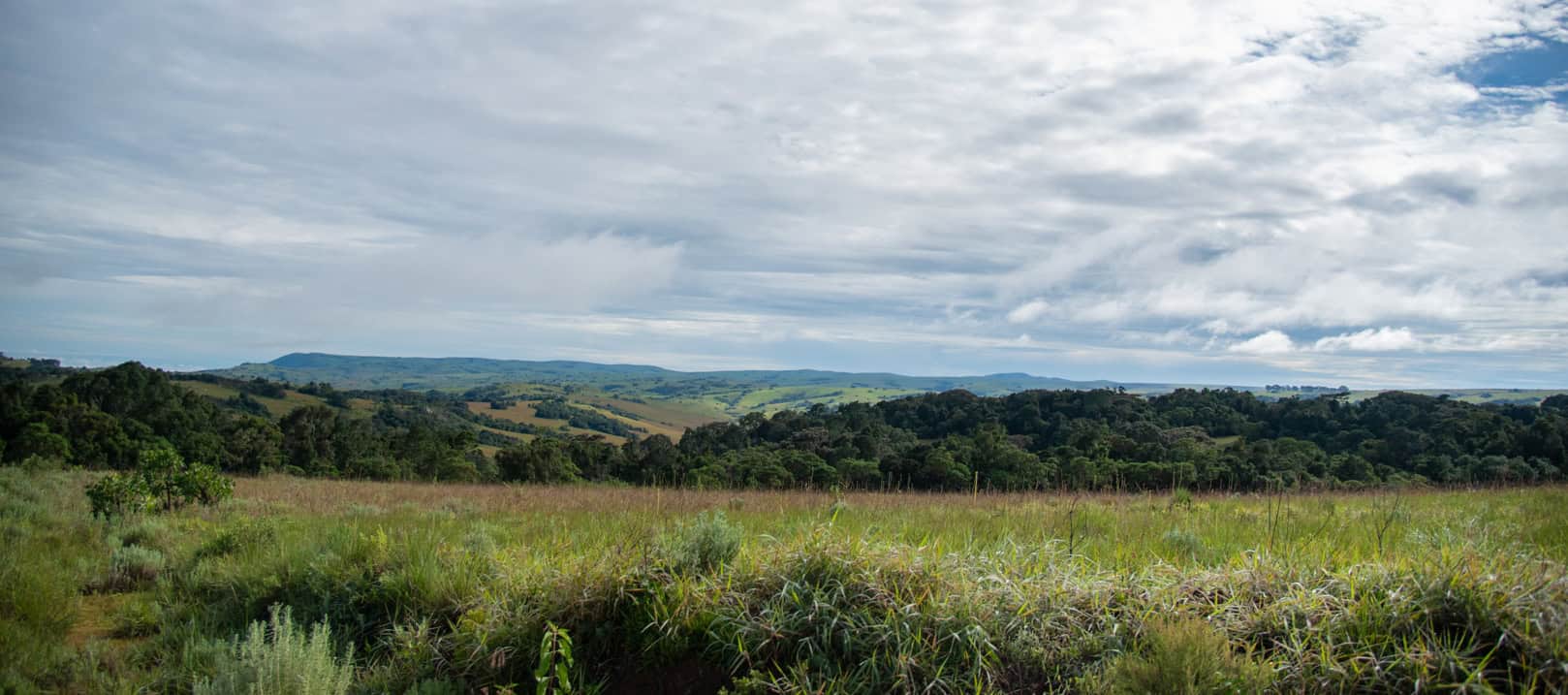
Reading Nyika’s living landscape through soil and water
Conservation at this scale cannot be done alone.
Lasting impact depends on partners prepared to invest in the future of these landscapes through funding, expertise, technology and long-term commitment.